What to do in the first ten minutes of a burst pipe or a sewage backup
The first ten minutes decide how much damage you're cleaning up afterward.
September 9, 2026 · 3 min read
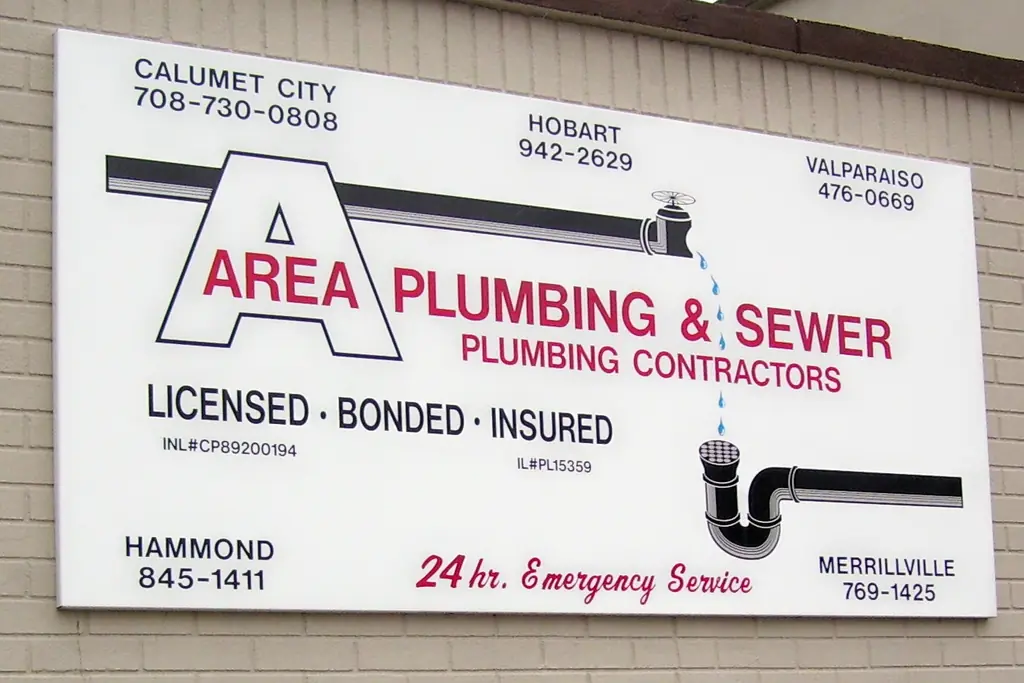
When a pipe bursts or a sewage backup starts, the instinct is to panic, and that's understandable, water spreading across a floor or backing up out of a drain is genuinely stressful to watch happen. But the first ten minutes matter more than almost anything else in how much damage you end up dealing with, and there's a clear order of operations that limits it. We're a 24 hour emergency service for exactly this reason, so here's what to do before we or anyone else can get there.
For a burst pipe
- Shut off the main water supply first. Every home has a main shutoff valve, usually near where the water line enters the house, in a basement, crawlspace, or utility closet. Turning this off stops water at the source rather than just at the fixture, which matters if the break is inside a wall or under a floor
- If you can't find the main shutoff or it's not accessible in the moment, shut off the individual fixture's supply valve if the break is localized to one area, like under a sink
- Turn off electricity to the affected area at the breaker if water is anywhere near outlets, switches, or appliances. Water and electricity are a genuine hazard, and it's not worth checking whether it's fine
- Move anything valuable, especially electronics, furniture, and boxes on the floor, out of the path of the water if it's safe to do so
- Take photos of the damage as it's happening, for insurance purposes, before you start any cleanup
For a sewage backup
- Stop using water in the house entirely. Every flush, every load of laundry, every dishwasher cycle adds more volume to a system that's already struggling to drain, and makes the backup worse
- Keep people and pets away from the affected area. Sewage backup is a contamination hazard, not just a mess, and it's not something to wade into or start cleaning up yourself
- If the backup is coming from a floor drain or a low fixture, don't try to plunge it. On a main line blockage, that can push contaminated water further into the house rather than clearing it
- Ventilate the area if you can, opening a window or running a fan, without touching the affected water
- Call for emergency service rather than waiting to see if it clears on its own. A backup at the lowest point in the house is telling you the main line is significantly blocked, and it does not clear itself
Why acting fast matters more than getting it perfect
You don't need to diagnose the actual cause in the moment, that's what we're there for. What you're doing in those first ten minutes is limiting exposure: less water on the floor, less contaminated water spreading, less risk to people and electronics. Getting the main water off, or stopping further use of drains, buys time until someone with a camera and the right equipment can find out exactly what's wrong and fix it properly.
What not to do while you're waiting
- Don't run a wet vac or start bailing standing sewage water yourself without gloves and eye protection, it's a contamination risk, not just a mess
- Don't pour chemical drain cleaner down a fixture during a backup, it won't clear a main line blockage and it adds a hazard for whoever works on the line next
- Don't assume a backup that briefly clears on its own has actually resolved, a partial clog that drains slowly can back up again within hours
- Don't ignore a small, steady drip from a pipe thinking it will hold, a slow leak under pressure can become a full break with no additional warning
What happens when we get there
We show up with what we need to actually diagnose the problem on the spot, including our own sewer camera for backups, rather than guessing. For a burst pipe, that usually means finding the break and repairing or replacing that section. For a sewage backup, it usually starts with a camera inspection to find the blockage before recommending a hydrojet clean or a repair. Either way, we're a genuine 24 hour emergency service across Hammond, Munster, Hobart, Valparaiso, and the surrounding Lake and Porter County area, not a daytime-only outfit with an answering machine after hours. If you're dealing with either of these right now, don't wait on it, get in touch and we'll walk you through it on the phone while we're on the way.
Area Plumbing & Sewer Co, Inc, (219) 845-1411
Call (219) 845-1411More articles
How to tell a clogged sewer line from a single slow drain
One is a five minute fix. The other needs a camera and, sometimes, a truck in your yard.
Why tree roots find your sewer lateral, and what actually stops them coming back
Snaking a root ball out of your line feels like a fix. It usually isn't one.