Why tree roots find your sewer lateral, and what actually stops them coming back
Snaking a root ball out of your line feels like a fix. It usually isn't one.
September 9, 2026 · 3 min read
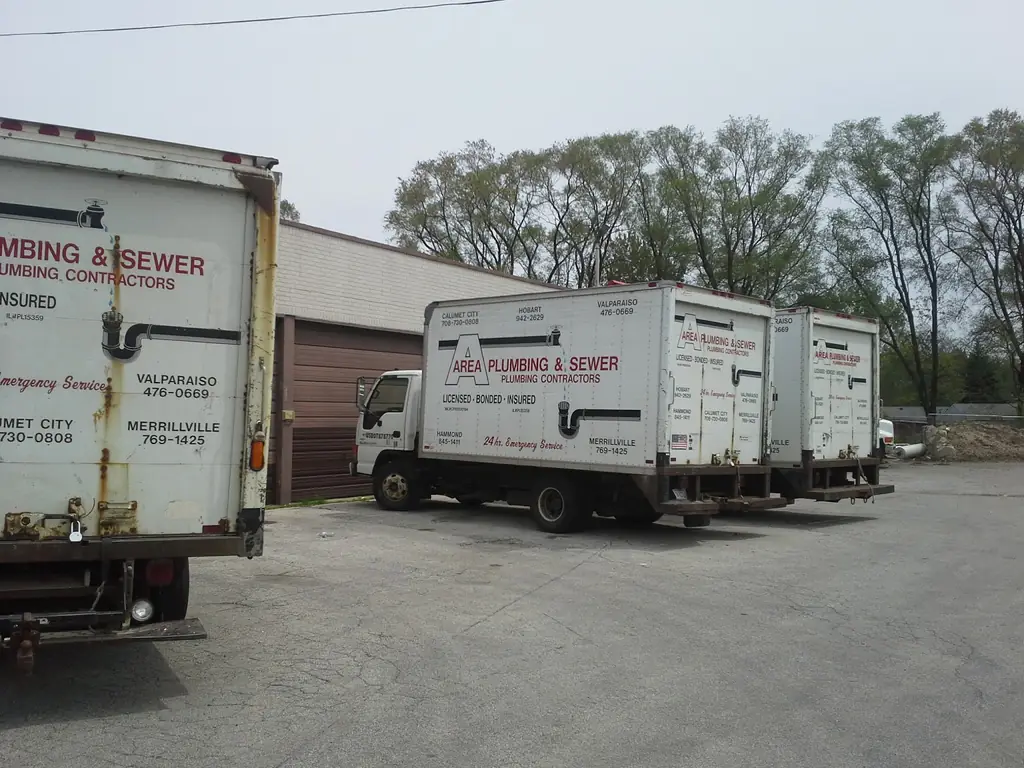
If you've had roots in your sewer line once, there's a good chance you've had them more than once. It's one of the most common calls we get across Hammond, Munster, Hobart, and Valparaiso, and it's not bad luck. It's basic biology meeting basic plumbing, and once you understand why it happens, it's a lot easier to understand why the same quick fix keeps not working.
Roots aren't looking for a broken pipe
A common assumption is that roots only get into pipes that are already cracked or broken, but that's not really how it works. Tree roots grow toward moisture and nutrients, and a sewer line carrying wastewater is exactly that, warm, damp, and full of organic material. Older clay pipe, which is common in the older parts of Northwest Indiana's housing stock, is laid in sections with joints between them rather than one continuous run. Those joints don't need to be broken for a root to find them. A hairline gap, or even just the natural seep of moisture through a joint, is enough of a signal for a root to grow toward it and eventually work its way in.
Once a root gets a foothold inside the pipe, it doesn't stop. It's sitting in a warm, wet, nutrient-rich environment, which is close to ideal growing conditions, so it thickens and branches, catching toilet paper and debris as it goes until you've got a clog that keeps coming back no matter how many times you clear it.
Why snaking alone doesn't solve it
A snake, or an auger, is built to punch a hole through a blockage and pull larger debris back out. Against a root mass, it can cut a path through the middle, which is often enough to get your drains flowing again that same day. What it doesn't do is remove root material from the walls of the pipe. The stubs left behind keep growing, and because the joint or crack that let the roots in is still there, new growth finds its way back through the same opening. That's why a lot of homeowners tell us they've snaked the same line two or three times in as many years. The pipe was cleared, but the actual entry point was never addressed.
What actually slows the cycle down
- Hydrojetting, which uses high pressure water to scour the full diameter of the pipe and strip root material off the walls, not just punch a hole through the middle
- A camera inspection first, so you know exactly where the roots are getting in and how many entry points there are before deciding on a fix
- For a joint or section that's genuinely compromised, a targeted pipe repair or replacement at that specific point, rather than digging up the whole yard
- Chemical root treatments applied on a schedule, which slow new growth between cleanings but don't replace an actual clean-out or repair
The honest answer is that if there's a mature tree with roots reaching a joint in your line, you probably won't get rid of the problem permanently without addressing that joint. But you can go from clearing the line every six months to going years between service calls, which is the realistic goal for most homes rather than a total guarantee that roots never come back.
How we approach it
We run our own camera down the line before recommending anything, so you're looking at the actual damage rather than a guess. From there we can talk through whether hydrojetting on its own clears it for a good while, or whether a specific section needs repair. We've got our own Vactor combination truck and excavator, so if digging is genuinely the right call, we're not waiting on rented equipment to get started. Have a look at our hydrojetting page for more on how the non-invasive route works, or our sewer repairs page if you already know a section needs replacing, and give us a call for a free on site estimate either way.
Area Plumbing & Sewer Co, Inc, (219) 845-1411
Call (219) 845-1411More articles
How to tell a clogged sewer line from a single slow drain
One is a five minute fix. The other needs a camera and, sometimes, a truck in your yard.
Hydro jetting versus snaking, and when each one is the right call
One punches a hole through the clog. The other scours the whole pipe clean.